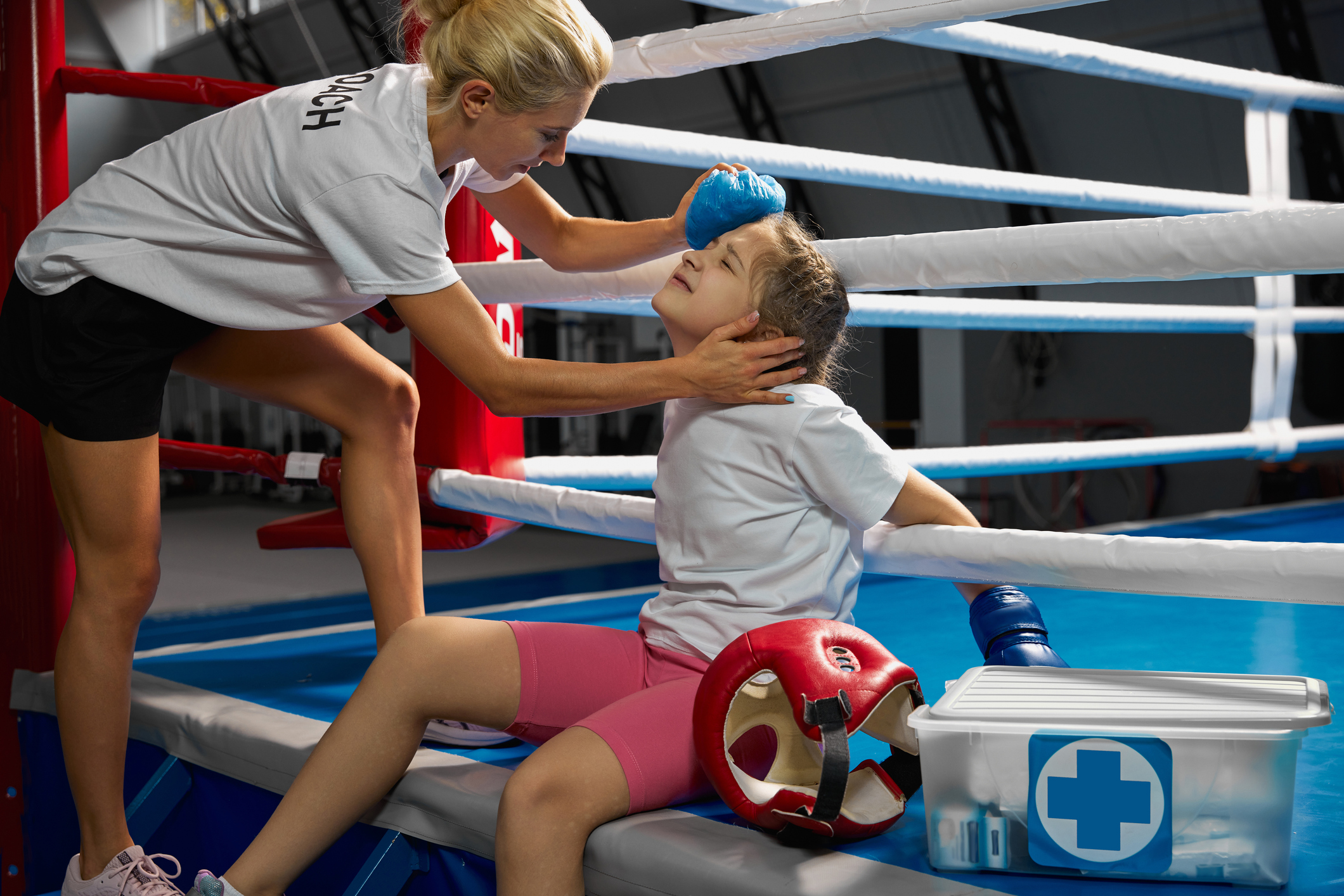
Your brain is protected inside your skull and cushioned by fluid that helps absorb everyday movement. However, a sudden impact or forceful movement can cause the brain to move quickly back and forth inside the skull. This can result in a concussion, a type of traumatic brain injury (TBI).
A concussion can happen after a direct blow to the head, a hit to the body that causes the head to move rapidly, a car accident, a fall, or being violently shaken.
What Is a Concussion?
A concussion is a temporary change in how the brain functions after an injury. It can affect thinking, balance, emotions, and physical abilities. A concussion may occur without a loss of consciousness, and symptoms may appear immediately or may not be noticed until hours, days, or even weeks later.
The American Brain Foundation estimates that millions of concussions occur each year, with many cases going unreported or undiagnosed.
Even when symptoms seem mild, concussions should be taken seriously. Without proper evaluation and recovery, some people may experience longer-lasting physical, emotional, or cognitive effects.
Causes of Concussions
A concussion can happen to anyone, but certain groups are at a higher risk, including young children, athletes, and older adults.
Common causes include:
• Falls
• Sports injuries
• Car accidents
• Recreational or workplace accidents
High-contact sports such as football, soccer, ice hockey, lacrosse, field hockey, and wrestling carry a higher risk of concussion. Young children may experience concussions from playground falls or bicycle accidents, while older adults are often at risk due to falls.
Concussion Symptoms
Concussion symptoms vary from person to person. Some symptoms appear right away, while others may develop later.
Common symptoms include:
• Headaches
• Confusion
• Memory problems
• Dizziness or balance issues
• Nausea or vomiting
• Drowsiness
• Difficulty speaking
• Delayed responses
• Changes in sleep patterns
• Mood changes, including depression or irritability
• Difficulty concentrating
The most common symptoms after a head injury are headaches, confusion, and memory problems.
A concussion is different from a typical headache. While headaches may result from causes such as tension, migraines, or sinus issues, concussions involve changes in brain function and may cause physical, cognitive, and emotional symptoms.
When to Seek Medical Attention
Although most concussions are not life-threatening, they should always be evaluated properly. Seek medical care after a head injury, especially if symptoms appear, worsen, or interfere with daily activities.
Watch for changes in how you or a loved one is feeling, thinking, or behaving after an injury. Emergency care may be needed if signs of a more serious brain injury develop.
Athletes should never return to play while concussion symptoms are present. Returning too soon can delay recovery and increase the risk of another injury.
Concussion Prevention
While concussions cannot always be prevented, safety precautions can help reduce risk:
• Wear proper protective equipment during sports and activities
• Follow safety rules and practice good sportsmanship
• Always wear a seatbelt
• Learn the signs and symptoms of a concussion
• Improve strength, balance, and coordination
• Keep your home safe and free of fall hazards
• Educate others about concussion awareness
You Have a Concussion — What Happens Next?
If you suspect a concussion:
1. Report symptoms
Tell a coach, parent, athletic trainer, or healthcare provider about symptoms after a head injury.
2. Get evaluated
A healthcare professional experienced with concussions can determine whether a concussion occurred and guide your recovery.
3. Rest and gradually return to activity
Recovery may include physical and mental rest, maintaining a regular sleep schedule, and avoiding activities that worsen symptoms.
4. Allow time to heal
Returning to normal activities too quickly can delay recovery. Another concussion before the brain has healed can lead to more serious complications.
5. Follow a safe return plan
A healthcare provider can help create a gradual plan to return to sports, exercise, work, or school.
How Physical Therapy Can Help After a Concussion
Recovery from a concussion is different for everyone. Depending on symptoms, physical therapy may be part of a comprehensive recovery plan.
A physical therapist can help address:
• Neck pain and stiffness
• Headaches related to muscle tension or movement
• Balance problems
• Dizziness
• Reduced strength and endurance
• Difficulty returning to normal activities
Your physical therapist will create an individualized treatment plan based on your symptoms, goals, and progress. Treatment may include targeted exercises, balance training, and strategies to safely improve activity tolerance.
If you experience symptoms after a head injury, seek guidance from a healthcare professional. Early evaluation and proper care can help support a safer recovery.