The shoulder is one of the body’s most complex and mobile joints, allowing you to lift, reach, and rotate your arm. The rotator cuff is a group of muscles and tendons that surrounds the shoulder joint. These muscles help stabilize the shoulder and support everyday arm movements.
Because the shoulder is used so often, it is also a common area for pain and injury. Shoulder pain can develop for many reasons, including sleeping in an awkward position, carrying a heavy purse or backpack, lifting weights, or performing repetitive activities.
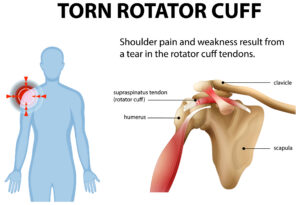
Causes of a Rotator Cuff Injury
A rotator cuff injury can happen suddenly or develop gradually over time. Common causes include:
• Acute injuries, such as lifting something heavy or falling
• Repetitive movements, especially overhead activities
• Overuse, which can place repeated stress on the shoulder
• Age-related changes, which can make the rotator cuff more vulnerable to injury
A rotator cuff tear may be partial or complete, and symptoms can vary depending on the severity of the injury.
It can be tempting to wait and see if shoulder pain improves on its own. However, persistent pain should not be ignored. Without proper treatment, shoulder pain and weakness may interfere with everyday activities, exercise, or sleep.
Rotator Cuff Tear Symptoms
Rotator cuff injuries can cause a variety of symptoms, including:
• Shoulder pain or aching
• Pain that makes it difficult to sleep
• Limited range of motion
• Weakness when lifting or moving the arm
• Difficulty reaching overhead or behind your back
Some rotator cuff injuries develop gradually, so symptoms may not be noticeable at first. Over time, pain and weakness may become more persistent or interfere with normal activities.
Physical Therapy for Rotator Cuff Tear Treatment
Treatment depends on the type and severity of the injury. Depending on the individual, treatment may include rest, medication, specific stretches and exercises, activity modification, physical therapy, or surgery.
Physical therapy is often an important part of rotator cuff treatment. A physical therapist can help reduce pain, restore shoulder mobility, improve strength, and help you safely return to your normal activities.
For more severe tears, particularly when significant weakness or loss of function is present, surgery may sometimes be recommended. Your healthcare provider can help determine the most appropriate treatment based on your injury and symptoms.
Our physical therapists can develop an individualized treatment plan based on your condition, goals, and activity level. Getting treatment early can help address pain and movement problems before they begin interfering with your daily life.
Talk to a healthcare professional if shoulder pain persists, worsens, or begins to affect your normal activities or ability to sleep.