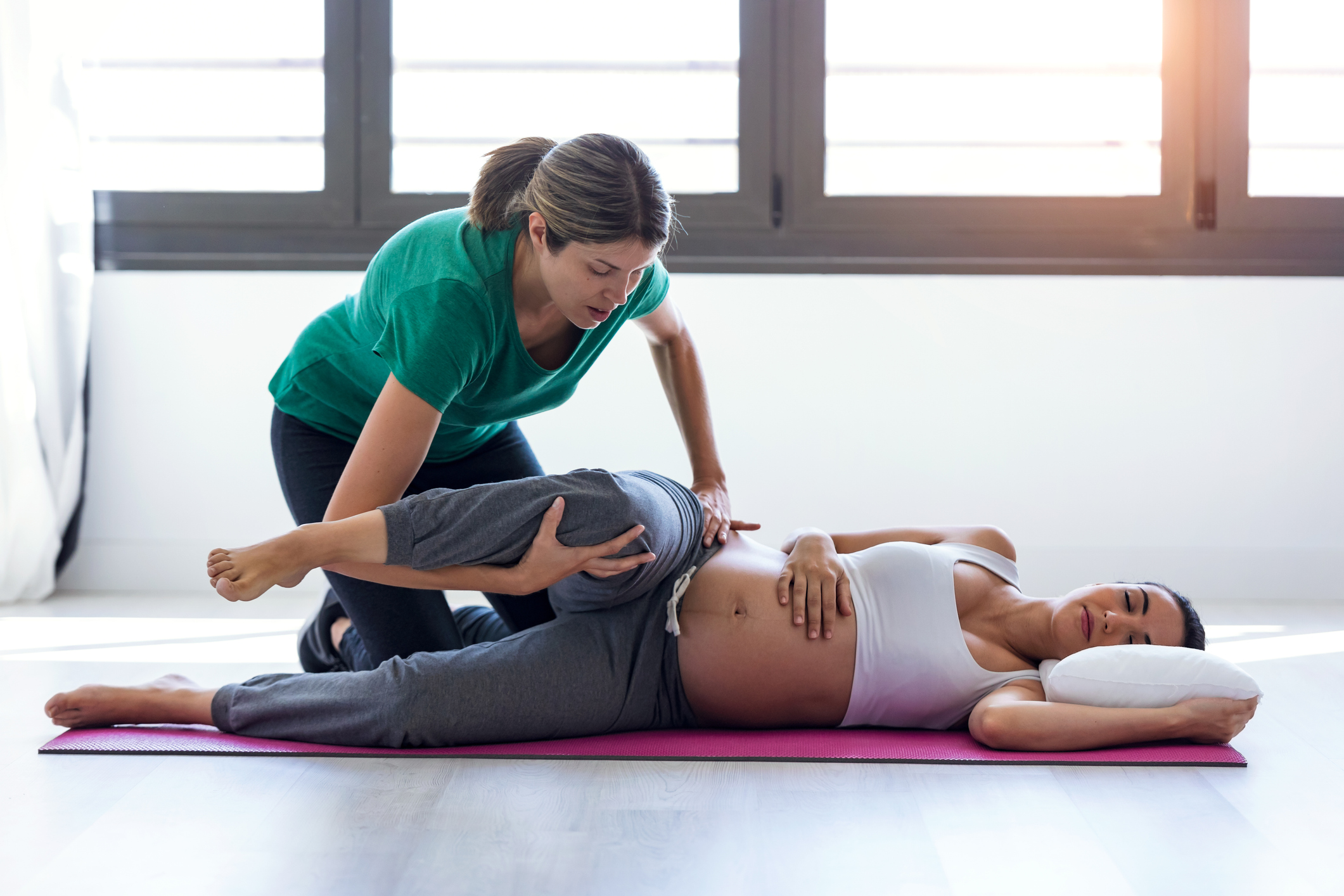
Although pregnancy is a wonderful, life-changing experience, many women endure many physiological changes as a result of the process. These physiological changes may include an intense physical strain that may result in aches and pains in certain parts of the body.
Most people think of physical therapy as something you need after a serious injury—but it can help in so many other ways too. For expecting moms, it’s a gentle and effective way to ease common aches and pains during pregnancy, while also helping the body get ready for a smoother labor and delivery experience.
If you’re pregnant, don’t wait to seek care until the pain or other issues associated with pregnancy become intolerable.
Physical Therapy for Pregnancy
Here are a few reasons to consider physical therapy when pregnant.
1. Relieves lower back pain.
Growing a new life is incredible—but it also brings a lot of changes to a woman’s body. During pregnancy, it’s common to feel some discomfort or aches along the way. As the baby grows, your center of gravity shifts too, which can make balance a bit more challenging, especially when standing for longer periods.
Pregnancy naturally changes the way a woman’s body carries itself, often affecting posture and placing extra stress on the back, shoulders, and neck. As these changes happen, many women experience lower back pain or SI pain. SI stands for the sacroiliac joint—a joint located where the lower spine meets the pelvis—which can become irritated or strained during pregnancy.
The good news is that pregnancy support is available with physical therapy. Research shows that physical therapy can make a big difference for pregnant women dealing with lower back or SI pain. With the right guidance and exercises, physical therapy during pregnancy can help manage these new aches and pains, making day-to-day life more comfortable and improving overall well-being.
2. Support Your Body with the Right Prenatal Exercises
You’ll be guided through exercises that are safe, effective, and right for your body. During pregnancy, it’s completely normal to notice changes in posture, muscle strength, weight, and even how your joints and spine feel. These shifts can sometimes lead to discomfort, fatigue, and a lower desire to stay active.
The good news is that the right exercises can make a big difference. A physical therapist can recommend simple, targeted movements that help build strength and ease discomfort both during pregnancy and after birth. Even better, many of these exercises can be done right at home—no gym required. As your strength and endurance improve, your body will feel more supported, and you’ll be in a better place to return to your routine and goals after pregnancy, whatever those may be.
3. Eases other pregnancy complications.
There are hormones that are released into the body during pregnancy that help pregnant women adapt to their new reality. As these changes continue, women may frequently experience additional problems like nausea, heartburn, abdominal pain, and urinary problems, as well as musculoskeletal problems. Urinary issues involve difficulty in regulating the bladder due to stretched pelvic floor muscles.
The right sleeping posture and a quality mattress can help ease pregnancy aches and pains. Many experts advise placing a pillow between your legs and behind your back, or investing in a wedge pillow, which could significantly help. Similarly, if you are having trouble falling asleep, try sleeping in a semi-upright position on a recliner. This will lift the weight off your feet and spine, relieve pressure and pain, and help with back pain. With the help of physical therapy, women can learn pelvic floor exercises, strengthen their muscles, and alleviate many common pregnancy issues, including incontinence.
4. Aids in a smoother labor and delivery
Staying active during pregnancy, when approved by your physician, can help improve strength and flexibility, both of which play an important role during labor and delivery. Your OB/GYN may also recommend techniques like perineal massage, which can help the body stretch more comfortably during birth and may reduce the risk of tearing.
Physical therapists, including Pelvic Health Specialists, are here to support you every step of the way. They can use tools like biofeedback to better understand how your muscles are working and help guide you into positions that feel more natural and comfortable during delivery.
5. Enables a quicker post-pregnancy recovery.
Like athletes and victims of accidents with severe injuries, women also could benefit from physical therapy to help with a faster recovery after childbirth.
Whether an episiotomy was performed or not, all women want to quickly and painlessly return to their daily lives after giving birth. With the right treatment and program, women can ease that postpartum pain considerably more quickly. Through strengthening those weakened muscles with selected exercises, you can live and enjoy a healthier and happier life.
Biofeedback Re-education for Post-Partum Patients
In women, the pelvic floor muscles are often damaged during childbirth and can lose strength as hormone levels decrease after menopause.
Dr. Arnold Kegel first used biofeedback in the late 1940s to teach patients how to strengthen pelvic floor muscles (PFM). While most people find it difficult to identify and correctly perform Kegel exercises, the good news is that specialized computerized biofeedback devices can detect PFM and assist you in controlling these muscles through visual and tactile feedback.
Some of the benefits of Biofeedback include:
• Individualized progressive treatment by trained professionals
• Awareness of pelvic muscles and achieving correct contraction/relaxation
• Improved efficiency, control, strength, endurance, conditioning & flexibility
• Pain relief
To find out more about how we can assist expectant mothers, find a therapist near you or request an appointment.